A dishwasher that is not draining is usually blocked at one of a few points: the filter, the drain hose, the air gap, or the garbage disposal connection. Less often, the drain pump itself has a clog or has failed. Most of these blockages can be cleared at home in under an hour with basic tools.
This guide walks through seven fixes in the order that saves the most effort, starting with the filter and ending with the pump. It also explains when these common dishwasher problems are better left to a technician.
Before You Start: Remove Standing Water Safely
Unplug the dishwasher or switch off its breaker before touching any part. Then bail out the standing water with a cup, sponge, or turkey baster, or use a wet/dry vacuum. Put towels on the floor to protect it. A towel under the door edge also catches drips when you pull out the bottom rack.
Do not run another full cycle while the drain is blocked. Standing water can grow bacteria and odor, so leave the door slightly open to let moisture escape while you work.
Fix 1: Clean the Dishwasher Filter and Sump
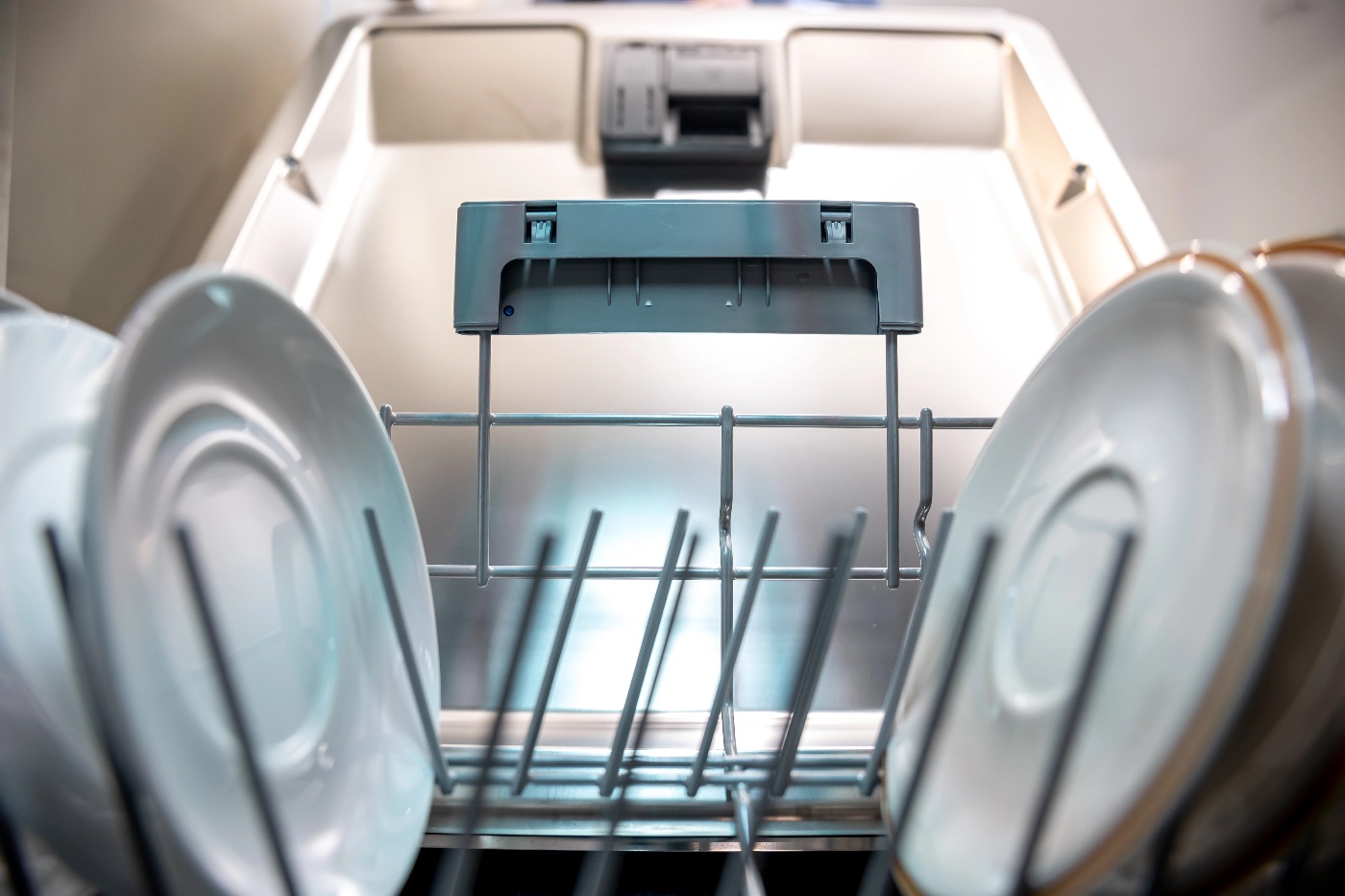
The filter is the most common cause for appliance repair in Melrose. Pull out the bottom rack and twist the cylindrical filter to remove it. Rinse the mesh and cylinder under hot water, and scrub gently with a soft brush. Avoid abrasive tools, which can damage the filter.
Then look into the sump beneath it. Broken glass, paper labels, and plastic pieces often hide there. Wear gloves and remove anything you find. Clean the filter regularly, since it keeps food out of the pump. Scraping large food scraps off dishes and running hot water at the sink before a cycle also reduces how much debris reaches the filter in the first place.
Fix 2: Straighten a Kinked Drain Hose
A pinched hose blocks water even when everything else is clear. Pull the dishwasher out only as far as needed, with power off, and follow the hose from the machine to the sink connection.
Check where it passes through the cabinet, where it joins the sink drain, and for extra hose coiled behind the unit. Straighten any sharp bends, then test with a short drain cycle. If the hose is crushed or cracked, replace it.
Fix 3: Clear a Clogged Drain Hose
Even a straight hose can clog, most often where it meets the sink drain under the cabinet. Loosen the clamp, disconnect the hose, and clean the connector and hose end. Place a bucket underneath, since water may spill.
You can also blow through the hose or flush it to check for blockages. Reattach it, tighten the clamp, and test the drain. A hose that stays clogged or feels stiff and worn is better replaced. Hoses can hold hot water, so let the cycle cool and use gloves.
Fix 4: Clean the Air Gap
Some sinks have a small cylinder near the faucet called an air gap. It prevents dirty sink water from flowing back into the dishwasher. When it clogs with food or rice, the dishwasher cannot drain.
Unscrew the cap, lift it off, and clear out any debris from inside. If water sprays from the air gap during a cycle, that is a sign of a clog downstream. Not every home has one, so skip this step if you do not see it.
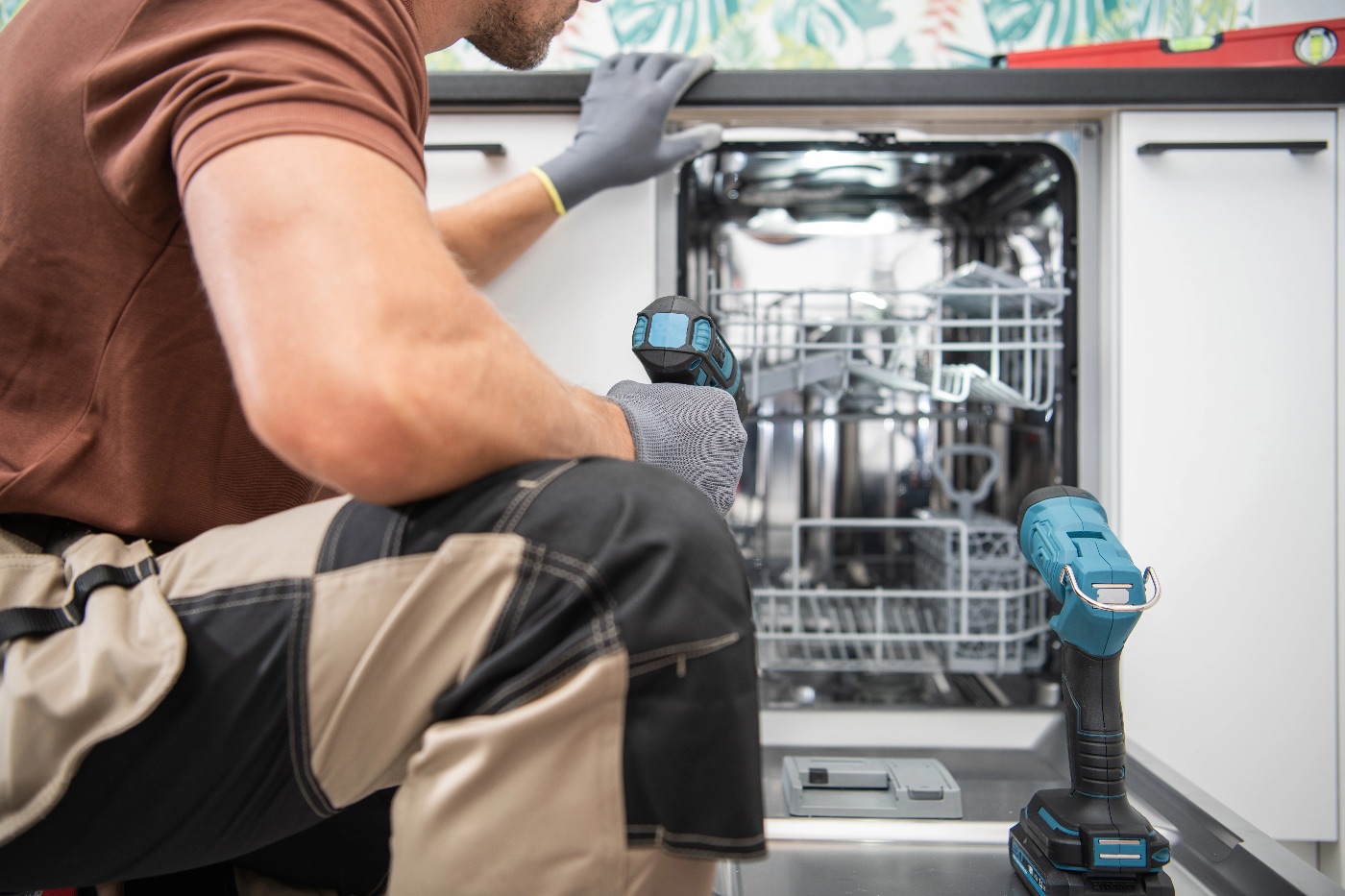
Fix 5: Check the Garbage Disposal and Knockout Plug
If the dishwasher drains through a garbage disposal, food trapped there can block it. Run the disposal with water so it clears fully, then test the dishwasher.
A newly installed disposal may still have its knockout plug in place. This small plug blocks the dishwasher inlet and is meant to be removed. It can be pushed out with a screwdriver, and the loose piece must be fished out. Leaving it in is one of the more overlooked dishwasher problems after an install. If your dishwasher stopped draining right after a new disposal went in, check this first, since it takes only a couple of minutes.
Fix 6: Confirm the High Loop and Sink Drain
Check that the drain hose rises to the underside of the countertop before it goes down, and that it is secured at that high point. This high loop helps stop dirty sink water from siphoning back into the dishwasher.
Also test the kitchen sink. If it drains slowly, clear that blockage first, since the dishwasher shares the same drain line. Running hot water in the sink before you start a cycle can also help.
Fix 7: Test the Drain Pump
If the filter, hose, air gap, and disposal are clear, listen to the pump. Run a drain cycle and listen for a hum or whirring. Silence may mean a burned-out pump.
With power off, the pump area beneath the filter can be checked for a stuck object, such as a glass shard or plastic piece, that stops the impeller from turning. Some models have a removable pump cover for this purpose. If the pump hums but water still will not move, or it makes no sound at all, a part has likely failed. Do not force the impeller or pry at parts you cannot see, since a cracked housing turns a small appliance repair in Melrose into a larger one. This is the point where most homeowners should stop and call.
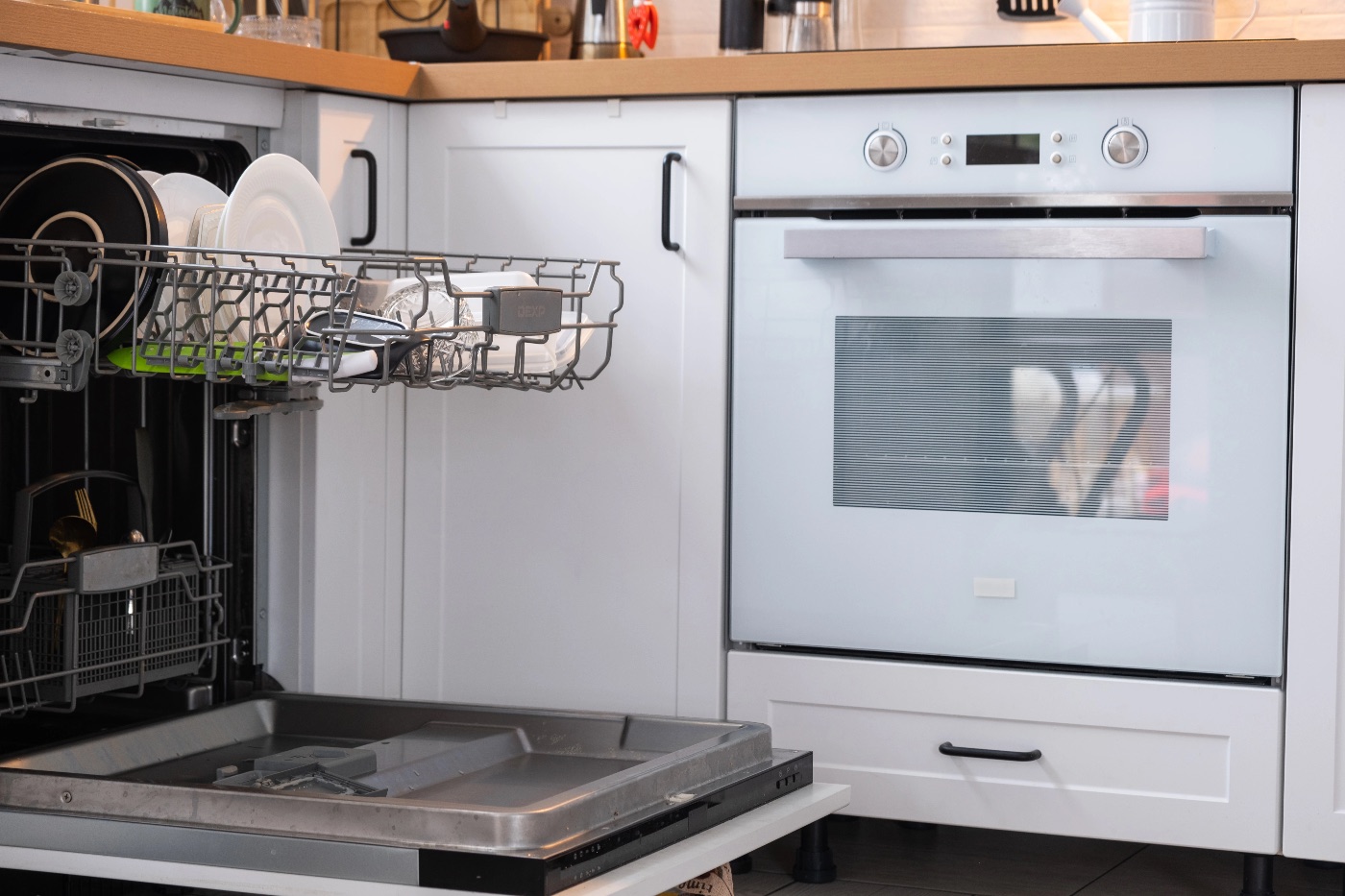
When a Dishwasher Not Draining Needs Dishwasher Repair
Call for dishwasher repair if you cannot find a blockage, the pump is silent, or water still stays after the steps above. A failed pump motor, check valve, or control board needs testing that goes beyond a home fix.
Same-day appliance repair is often available when you call early, which helps if standing water is already causing odor. A technician can test the pump motor, check valve, and control board in order, instead of replacing parts by guesswork, and many drain repairs finish in one visit. Tell the dispatcher your brand, model, and which fixes you tried. If the dishwasher is old and repairs keep adding up, ask for an estimate against the cost of a new unit.
Get Your Dishwasher Draining Again Today
Tried the fixes and still have standing water? Book your dishwasher repair with Common Appliance Repair today. Our technicians find the real cause, clear or replace the failed part, and offer same-day appliance repair when schedules allow.
Book an appointment to get your kitchen back to normal.