Most homeowners don't think about appliance age until something breaks. Then the questions start: how long do appliances last, is this one too old to fix, and is it smarter to spend money on a repair or put it toward a new unit? Knowing the typical lifespan of each appliance makes those decisions much easier.
This guide gives you a simple lifespan chart with low, high, and average years for 13 common household appliances. It also shows you how to find out exactly how old your appliance is using the serial tag, and how to decide between repair and replacement when the time comes.
Why Knowing Your Appliance's Lifespan Matters
An appliance is a long-term purchase, and like any long-term purchase, it helps to plan for the end of its life. When you know roughly how many years a refrigerator, washer, or dryer should last, you can budget ahead instead of facing a surprise bill.
Lifespan also helps you judge repairs. A $200 fix on a five-year-old dishwasher is a smart move. The same $200 on a dishwasher that is already past its expected life is a harder call. Age is one of the first things a technician looks at when they recommend repair or replacement, so knowing it puts you in a stronger position.
Appliance Lifespan: Low, High, and Average Years
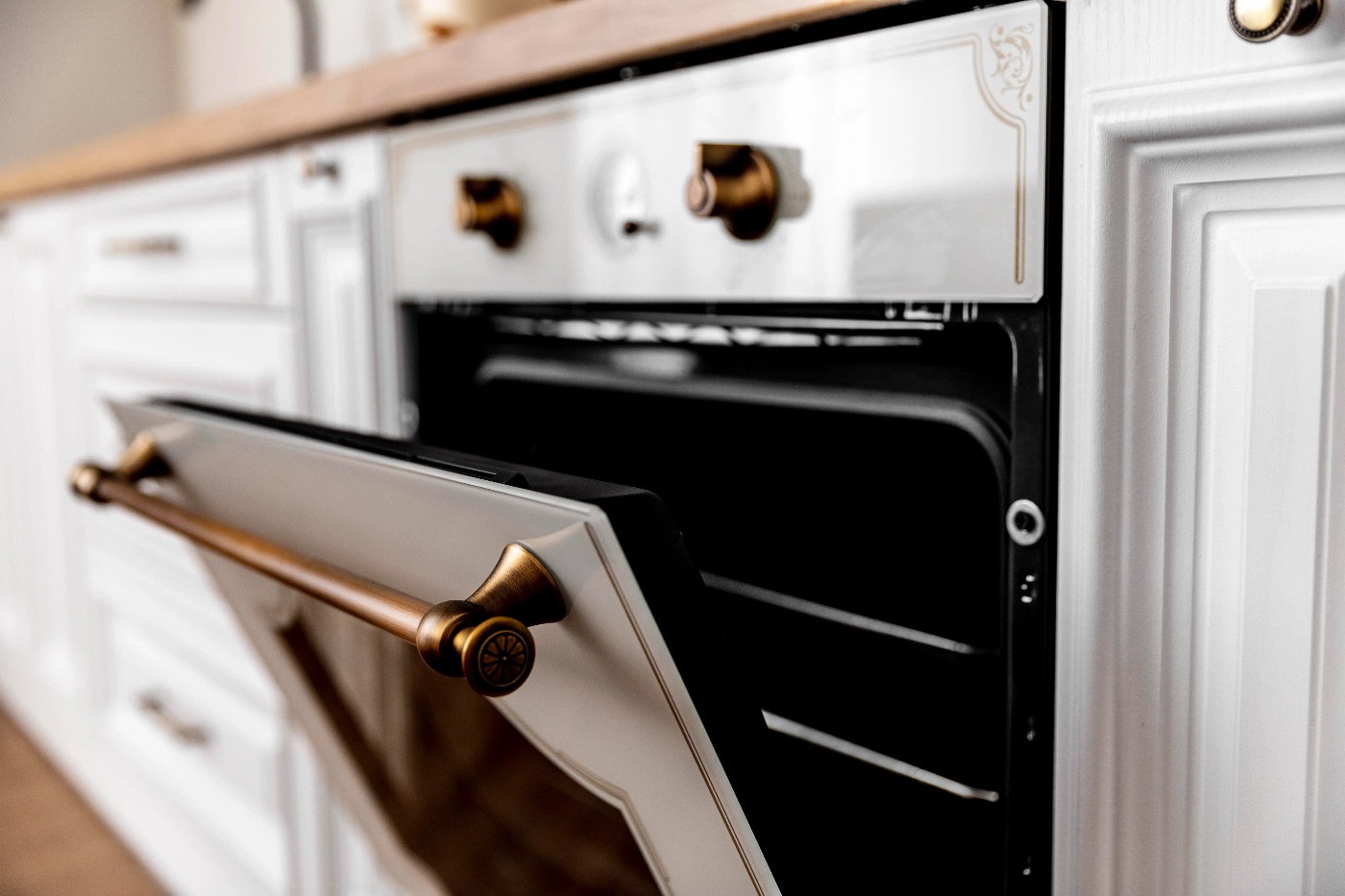
The figures below come from industry lifespan data reported in the annual portrait of the U.S. appliance industry and shared by appliance service in Beverly providers. They cover major household appliances and exclude commercial equipment. Think of them as a reliable guide, not a guarantee. Your own appliance can land anywhere in the range depending on the brand, how often you use it, and how well it has been cared for.
Key Takeaways
- Gas ranges lead the list with an average of 19 years, longer than any other appliance
- Freezers and electric ranges follow at an average of 16 years
- Microwaves and compact refrigerators have the shortest lives at about 8 years
- Washers and dishwashers average 12 years, so a decade-old unit is already in its later years
- The gap between low and high is often 7 or 8 years, which shows how much care matters
If your appliance has passed its average age, that does not mean it needs to go. It means you should watch it more closely.
How Old Is My Appliance? Finding the Serial Tag
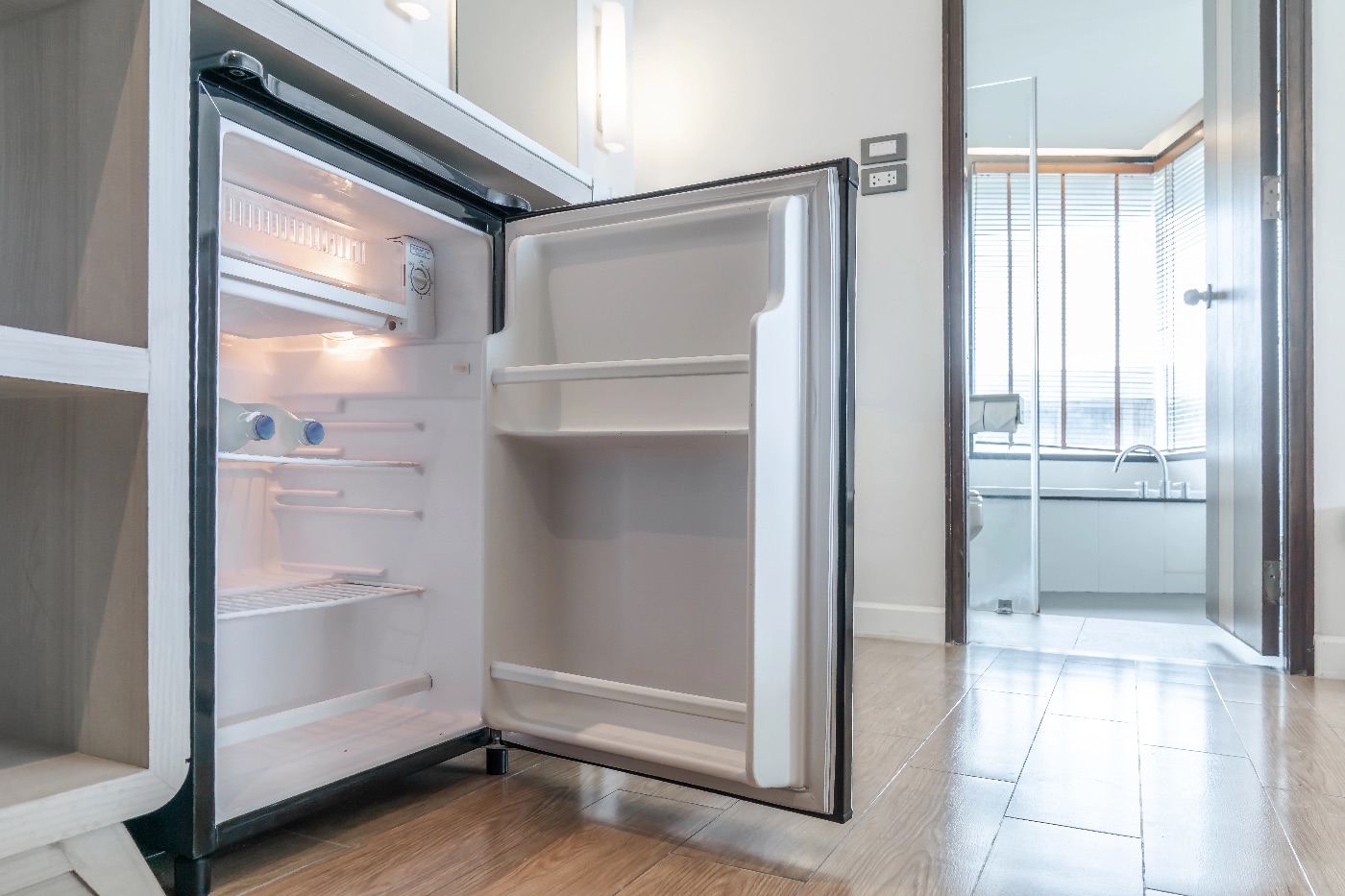
Many people are surprised to learn they have no idea how old their appliances are, especially in a home they bought used. The answer is almost always printed on a tag or sticker on the appliance itself.
This tag lists the model number and serial number. On many modern appliances, it also shows the manufacture date in plain sight. If the date is not listed, you can usually work it out from the serial number. The first few characters often line up with the month and year the appliance was made, though each brand uses its own system.
To decode it, search online for "brand name serial number date code." You can also type the brand and the full serial number into a search engine, and the manufacture date often comes up right away. Keep in mind that the manufacture date can be a few months earlier than the date you bought or installed the unit.
Where to Find the Serial Tag
- Inside the door frame of a refrigerator, washer, or dishwasher
- Along the inside wall of a refrigerator's fresh food or freezer compartment
- On the back or side panel of a dryer, freezer, or range
- Under the lid of a top-load washer
- Beneath an easily removed panel, such as under a stovetop or behind the kick plate
Write down the model and serial number once you find them, or snap a quick photo. You will be glad to have them for warranty checks and repair calls.
What Helps Appliances Last Longer
The spread between the low and high ends of the chart is large, and daily habits explain much of it. Appliances that get regular attention tend to land at the top of the range. Ones that run dirty, overloaded, or ignored tend to land at the bottom.
A few simple habits make a real difference. Clean refrigerator coils once or twice a year, since dusty coils force the compressor to work harder. Clear the dryer lint trap after every load and have the vent cleaned yearly. Run a cleaning cycle in your washer and dishwasher every month to fight buildup. Avoid overloading any machine, because extra weight strains motors, pumps, and bearings.
Small repairs matter too. A worn door seal or a slow drain looks minor, but it puts extra stress on other parts. Fixing small problems early keeps them from turning into the kind of damage that shortens an appliance's life.
Signs an Appliance Is Nearing the End
Appliances rarely fail without warning. Learning to spot the signs helps you act before a sudden breakdown, especially for something critical like a refrigerator.
Common Warning Signs
Repairs are happening more often, such as three or more calls in a year
Energy bills are climbing without any change in how you use the appliance
Strange noises, vibration, or smells keep returning after repairs
The appliance cannot hold its temperature or finish a cycle properly
Replacement parts are getting harder to find for an older model
One of these signs on its own may just call for a repair. Several together usually point to an appliance that has done its time.
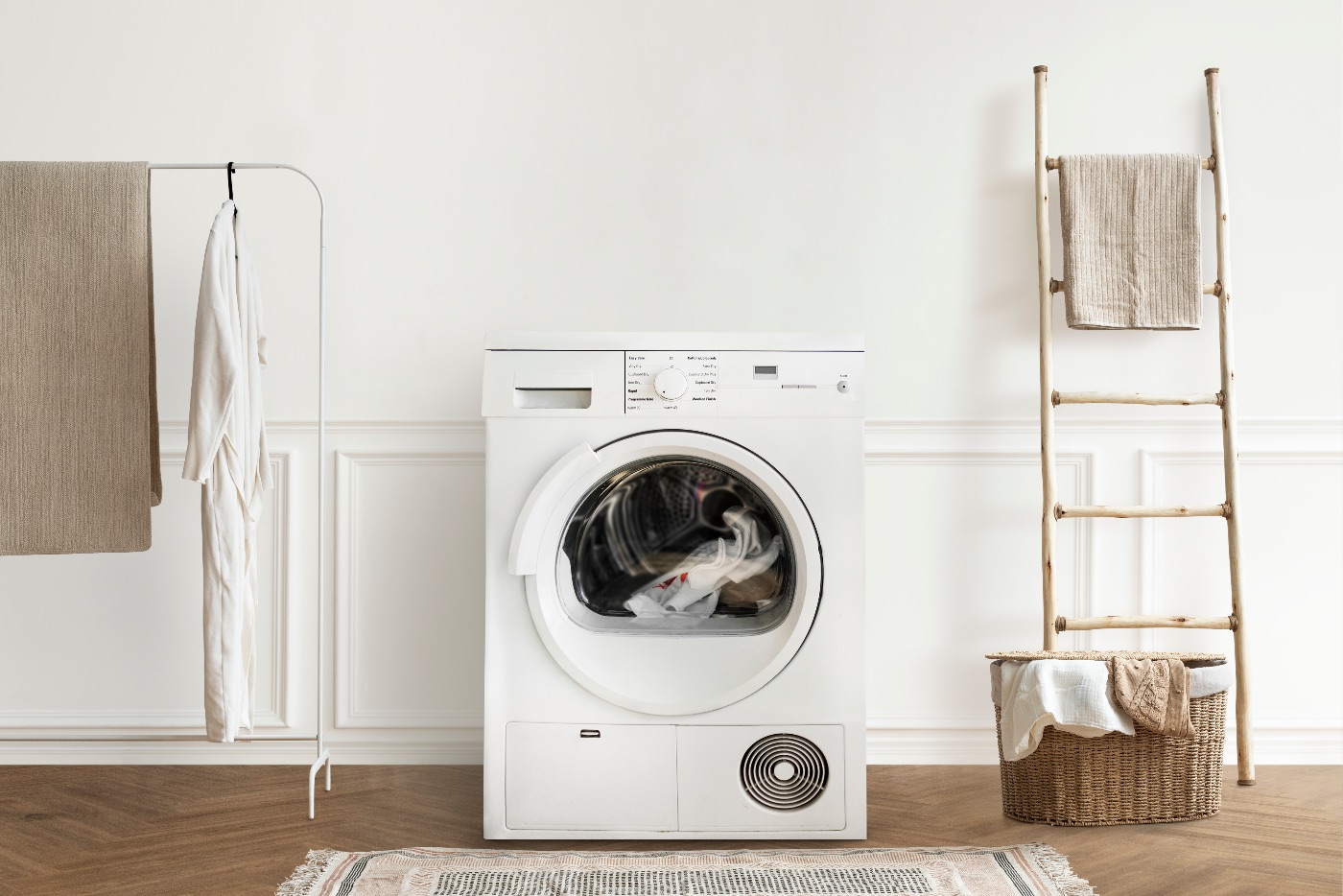
Appliance Repair Services in Beverly
For Beverly homeowners, the most useful move is to get a professional opinion before making a big decision. Appliance repair services can look at the age, condition, and repair history of your unit and tell you honestly where it stands. Appliance repair in Beverly is available for refrigerators, ovens, washers, dryers, dishwashers, and more, and many problems can be fixed in a single visit.
This is also where your serial tag helps. When you can tell the technician the exact model and age, they can quickly check parts availability, warranty status, and how much life your appliance likely has left. That means a more accurate recommendation and fewer surprises on the final bill.
Appliance Replacement vs. Repair: Making the Right Call
When an appliance breaks, the decision comes down to a few clear factors. Start with age compared to the chart above. If the unit is well within its expected years, repair is almost always the better choice. If it is near or past the high end, replacement deserves a serious look.
Next, compare the repair price to the cost of a new unit. A common rule of thumb is that when a repair costs more than half the price of a comparable new appliance, appliance replacement is usually the smarter spend. Also think about repair history. An appliance that keeps needing fixes is telling you something, even if each repair is small.
Finally, consider energy use. Newer appliances are often more efficient, so a replacement can lower your monthly bills over time. A trustworthy technician will weigh all of these factors with you instead of pushing a sale in either direction, so you end up with the option that truly fits your home and budget.
Get an Honest Opinion on Your Appliance Today
Not sure if your appliance is worth fixing or ready to be replaced? Book your appliance repair services in Beverly with Common Appliance Repair today.
Our technicians will check your appliance's age, diagnose the problem, and give you a clear, honest recommendation on repair or replacement.
Book an appointment to find out how much life your appliance has left.