What Causes an Oven Not Heating Up?
An oven not heating up is usually caused by a broken heating element, a failed igniter, or a faulty thermostat. In electric models the element burns out, while gas models rely on an igniter that can wear down and stop lighting the burner.
When an oven fails to warm up, the symptom can range from no heat at all to a slow, uneven bake. Knowing your exact pattern makes the real cause much easier to pin down.
Oven Not Getting Hot at All
An oven not getting hot at all points to a complete failure somewhere in the heating system. In an electric oven, the bake element has likely burned out. In a gas oven, the igniter may have failed and never lights the flame. Either way, the oven powers on but stays cold inside.
Oven Heats Slowly or Unevenly
Sometimes the oven heats, but not enough. Slow or uneven heating often means a weak element, a failing igniter, or a thermostat that misreads the temperature. Food comes out underdone on one side or takes far longer than the recipe says. This partial failure usually gets worse over time if left alone.
Warning Signs to Watch For
A few signs show up before an oven quits completely. Watch for longer preheat times, a burner that clicks but never lights, or a bake element that glows unevenly. A burning smell or a tripped breaker is a bigger red flag. Catching these early can save you a cold oven on a busy night.
Gas vs Electric Oven Heating Problems
The cause of a cold oven often depends on the type you own. Gas and electric models heat in very different ways, so their failures look different too. Here is how each one tends to break down.
Gas Oven Not Heating
A gas oven not heating usually comes down to a faulty igniter. The igniter heats up until it opens the gas valve and lights the burner. When it weakens, it may click without lighting or fail to glow at all. A worn igniter is the most common reason a gas oven stays cold, and it needs a replacement part to fix.
Gas models also depend on a steady fuel supply, so a partly closed valve can mimic the same problem. A technician can tell the two apart quickly.
Electric Oven Not Heating
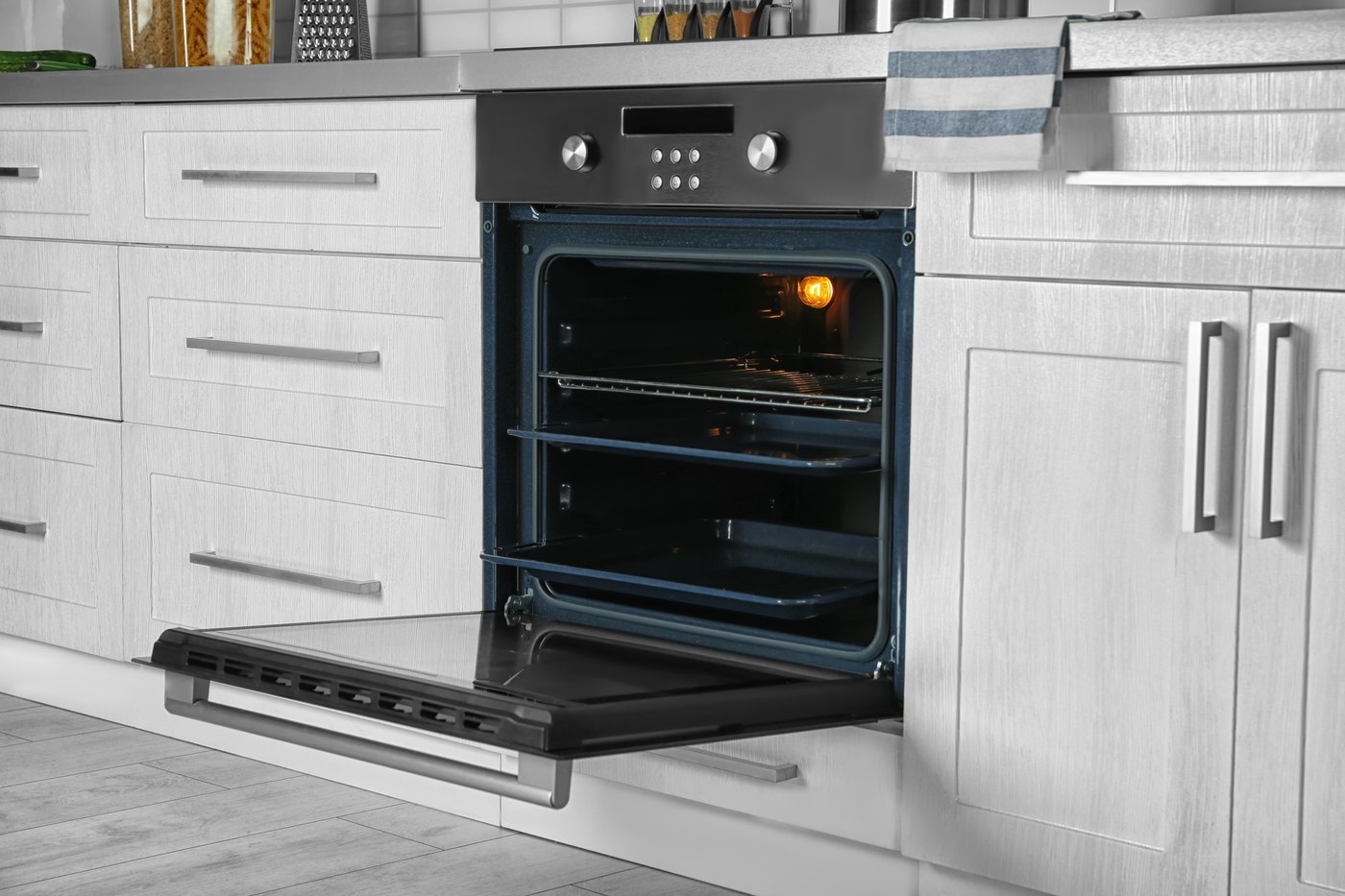
An electric oven not heating points to a burned-out bake or broil element. These elements glow red when working, so a break or dark spot is easy to spot. A failed element cannot produce heat even though the oven powers on. Replacing it restores heat, but the swap involves live wiring best left to a pro.
Older ovens often lose an element after years of high-heat use. If yours is aging, a failed element is one of the first things to suspect.
Faulty Thermostat or Sensor
The thermostat and temperature sensor tell your oven how hot to get. When either fails, the oven may overheat, underheat, or never switch the heat on at all. These parts are hard to test without the right tools. A wrong reading throws off every bake, which is why a proper diagnosis matters.
Quick Checks Before You Call for Help
Not every heating problem needs a new part. Sometimes a simple setting or a tripped switch is the real cause. These quick checks are worth a look before you assume the worst.
Power and Settings
Start with the basics. Make sure the oven is set to bake, not to a timer, delay-start, or self-clean mode that locks out the heat. A bumped dial or a mistaken setting stops many ovens from warming up. It sounds obvious, but a quick settings check often solves the problem.
Oven Door and Seal
A door that does not close fully lets heat escape and keeps the oven from reaching temperature. Check that the seal is intact and the door latches properly. A worn gasket or a warped hinge lets warm air leak out. The oven then runs longer and still never feels hot enough.
Tripped Breaker or Gas Supply
An electric oven needs steady power, and a gas oven needs a steady gas flow. A tripped breaker leaves an electric oven cold, while a closed valve starves a gas one. Check your breaker panel and confirm the gas is turned on. If either keeps failing, the fault runs deeper.
Repairs That Call for a Technician
An oven not heating needs a professional when the heating element, igniter, wiring, or control board has failed. These parts carry electrical or gas risk, so they are unsafe to handle alone and should be left to a licensed technician.
A handful of these issues are easy to rule out, but others involve live electricity or gas lines. When a failed part keeps your oven cold, it is time to bring in a professional.
Heating Element and Igniter Failures
The heating element and igniter are the parts that actually create heat. When they fail, the oven cannot warm up no matter what you adjust. Replacing them means handling live wiring or a gas connection, so it is not a safe repair to attempt alone. A trusted oven repair service can test the parts, confirm the fault, and restore heat safely.
Wiring and Control Board Faults
Damaged wiring, a tripped relay, or a failed control board can all stop an oven from heating. These faults carry real electrical risk and should never be handled without training. If your oven trips the breaker or smells of burning, shut it off right away. A licensed technician can safely find and repair the fault before it spreads.
Bring Your Oven Back to Full Heat
A cold oven is stressful, especially when dinner is waiting. Once you know the cause, the next step is a reliable repair you can trust. Here is how to get your kitchen back to normal quickly.
Trusted Local Oven Repair
If you have searched for Boston oven repair, the team at Common Appliance Repair helps homeowners in Newton, MA and across the Greater Boston area get their ovens heating again. Our local technicians serve communities throughout Massachusetts and find the real cause instead of guessing, so the fix lasts. We service both gas and electric models and offer same-day appointments in many nearby towns.
Book Your Oven Repair Today
Do not let a cold oven derail your dinner plans. If your oven still will not heat after these checks, our team is ready to help. Reach out whenever it suits you, and we will schedule a local visit that fits your day. Contact our team to book fast, friendly repair.